California Meal and Rest Break Laws: Employee Rights and Employer Obligations
California has some of the strongest meal and rest break protections in the country. Under the California Labor Code and controlling California Supreme Court decisions, employers must provide legally compliant meal periods and rest breaks or pay penalties.
This page explains the governing rules, common violations, how premium pay is calculated, and how break issues often overlap with Unpaid Overtime, Misclassification, Minimum Wage Violations, PAGA Claims, and Final Paycheck issues.
Statutory Authority Governing Meal and Rest Breaks
Meal and rest break requirements are primarily governed by:
- California Labor Code § 512(a) (meal period requirements)
- California Labor Code § 226.7 (premium pay for noncompliant breaks)
- Industrial Welfare Commission (IWC) Wage Orders (industry and occupation rules)
In general, non-exempt employees who work more than five hours must be provided a 30-minute unpaid meal period before the end of the fifth hour of work. A second meal period may apply for shifts over 10 hours.
California Meal Period Requirements
- 30-minute unpaid meal period for shifts over 5 hours
- Second 30-minute meal period may be required for shifts over 10 hours
- Meal period generally must begin before the end of the fifth hour
- Employee must be relieved of all duty
Key Decision: Brinker Restaurant Corp. v. Superior Court (2012)
Brinker is widely cited for clarifying that employers must “provide” meal periods by relieving employees of duty and permitting a reasonable opportunity to take them. Disputes often turn on time records, scheduling practices, and whether employees were truly free from work during the meal period.
On-Duty Meal Periods
On-duty meal periods are generally limited and typically require:
- The nature of the work prevents relief from duty
- A written agreement
- The employee can revoke the agreement
California Rest Break Requirements
- 10-minute paid rest break per 4 hours worked (or major fraction thereof)
- Break should occur near the middle of the work period when practicable
- Rest periods typically cannot be “banked” or combined into one long break
Key Decision: Donohue v. AMN Services, LLC (2021)
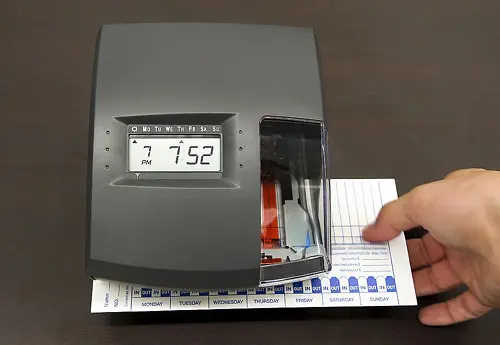
Donohue is frequently cited in meal period litigation involving timekeeping data and compliance records. Cases often focus on whether time records show shortened, late, or missed meal periods and what that implies about whether the break was properly provided.
Premium Pay and Damages for Missed Breaks
Under Labor Code § 226.7, an employer may owe one additional hour of pay (at the employee’s regular rate) for each workday that a meal or rest period is not properly provided.
Example Damages Calculation
If an employee earns $25/hour and misses one meal break per day for 150 workdays:
If both a meal and a rest break were denied on the same day:
Break violations often appear alongside Unpaid Overtime (including off-the-clock work) and Final Paycheck issues when employment ends.
Common Employer Violations
- Automatic meal deductions even when a meal was not actually taken
- Scheduling practices that make compliant breaks unrealistic
- Requiring employees to monitor phones, customers, or equipment during meals
- Breaking meal periods into short segments instead of a full compliant period
If an employer labels a worker “exempt” or “independent contractor” improperly, break violations can connect to Misclassification. When violations are widespread, employees may also evaluate PAGA Claims.
Retaliation for Asserting Break Rights
California law generally prohibits retaliation when employees request lawful breaks or complain about wage-and-hour issues. Retaliation can include reduced hours, discipline, demotion, or termination.
Enforcement and Filing Options
Employees may pursue break-related remedies through administrative wage claims or civil litigation, depending on the facts. Strategy often depends on the recordkeeping, how long the violations occurred, and whether other wage claims are present.
Deadlines and Limitations Periods
- Some wage claims commonly have a 3-year limitations period
- Some related claims may extend longer depending on the legal theory
- PAGA timelines can differ and are often shorter
Frequently Asked Questions
Can I waive my meal break?
In some situations a meal period may be waivable, but waiver rules depend on shift length and other factors. Waiver questions are highly fact-specific and often turn on time records and written agreements.
Can my employer require me to stay on premises during my meal?
Some employers require employees to remain on premises. The key issue is whether the employee is relieved of all duty and has a genuine opportunity to take the meal period without work obligations.
Do I get one hour of extra pay every time I miss a break?
Premium pay is typically assessed per workday when a compliant meal or rest break is not provided. The amount can depend on pay rate and whether meal, rest, or both were noncompliant on the same day.
Next Steps If Your Break Rights Were Violated
Document your schedules and time records and act promptly. Break violations often overlap with Unpaid Overtime, Minimum Wage Violations, Misclassification, PAGA Claims, and Final Paycheck issues.
For confidential guidance, visit our Contact Us page.