
FEHA Disability Claims in California Employment Law
California’s Fair Employment and Housing Act (FEHA) is one of the most important laws protecting employees with disabilities. It prohibits disability-based discrimination, requires reasonable accommodations in many situations, and requires employers to engage in a good-faith interactive process. FEHA also prohibits retaliation when an employee requests accommodations or asserts disability rights.
This page explains what FEHA covers, common disability-related FEHA claims, what evidence matters, and how these issues connect to related disability resources.
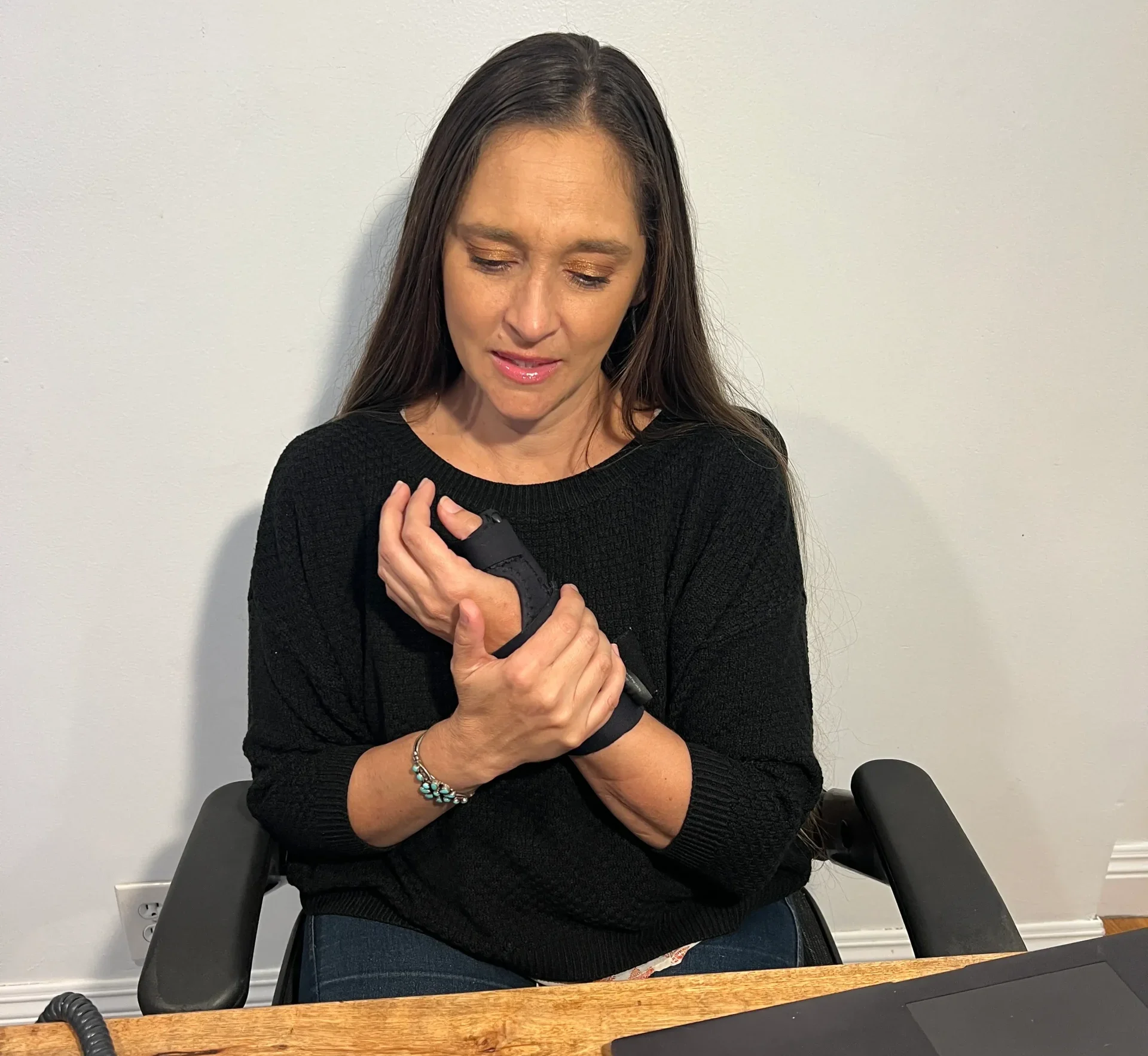
What Is FEHA and Why It Matters for Disability Claims
FEHA is California’s primary civil rights law for the workplace. In disability cases, FEHA commonly applies when an employee is treated unfairly because of a disability, when accommodations are denied or delayed, or when an employer refuses to engage in the interactive process.
Start here: Disability Law Overview.
Common FEHA Disability Claims
- Disability discrimination: adverse actions tied to disability status (discipline, demotion, termination, hiring decisions).
- Failure to provide reasonable accommodations: refusal to adjust duties, schedule, tools, or policies when reasonable.
- Failure to engage in the interactive process: ignoring requests, stalling, or refusing a good-faith dialogue.
- Disability harassment: hostile conduct based on disability or medical limitations.
- Retaliation: punishment after requesting accommodations, participating in the process, or complaining of discrimination.
Who and What FEHA Typically Covers
FEHA disability protections generally apply to many California employers and cover a broad range of physical and mental conditions. Disability status, medical restrictions, and accommodation needs are often assessed in relation to essential job functions and the employee’s limitations.
Key concepts that often drive FEHA disability cases
- Essential job functions: the core duties of the position, not simply preferences or “nice-to-have” tasks.
- Reasonableness: whether an accommodation effectively helps the employee perform essential functions.
- Undue hardship: whether a specific accommodation would create significant difficulty or expense in context.
- Good-faith process: whether the employer genuinely engaged in identifying workable options.
Evidence That Commonly Matters in FEHA Disability Cases
Many FEHA disability disputes are decided by the paper trail and the timeline. The most persuasive evidence often shows what the employee requested, when the employer responded, what options were discussed, and what happened next.
Strong documentation often includes
- Emails or written notes showing the accommodation request and employer response
- Medical documentation focused on functional limits (not unrelated medical history)
- Job descriptions, performance reviews, and any changes in expectations after disclosure
- Scheduling records, attendance write-ups, discipline memos, or termination paperwork
- Comparators: how other employees were treated in similar situations
- A clear chronology showing protected activity followed by adverse action
How FEHA Disability Claims Are Often Pursued
Many FEHA employment claims run through the California Civil Rights Department (CRD) process before a lawsuit can proceed. Employees may also be dealing with overlapping federal concepts under the ADA, depending on the workplace and facts.
Practical sequence employees often follow
- Document limitations, requests, and employer responses (save emails, notes, schedules, policies).
- Make the accommodation request and engage the interactive process if possible.
- Escalate carefully if the employer stalls or refuses to engage.
- Consider CRD filing options promptly to preserve rights and deadlines.
Timing matters. The California Civil Rights Department describes an employment complaint intake timeline that is generally within three years of the last harm: CRD complaint process. Federal EEOC deadlines can be different, and the EEOC explains the 180-day and 300-day time limits framework: EEOC filing guidance.
What Employees Often Seek in FEHA Disability Cases
- Job-related relief: reinstatement, restored hours, corrected personnel actions
- Economic losses: back pay and related compensation tied to lost wages
- Non-economic harm: damages tied to distress and reputational impact (fact-dependent)
- Policy changes: training, accommodation procedures, and compliance measures
Remedies depend on the facts, the claim type, and the procedural path. If you need the broader federal angle, see ADA Violations.
Related Disability Pages
Talk to a Disability Rights Professional
If your employer denied accommodations, delayed without engaging, or retaliated after you requested help, preserve the timeline and communications. Disability cases often turn on what was requested, what was offered, and what happened immediately after.
Prefer email or a form? Visit Contact Us for a confidential message.